


Mysterious islets and medieval alleys of Krk

When talking about favorite Croatian islands, one name always stands out - Krk. Many choose it for a weekend getaway from the hustle and bustle of everyday life, numerous owners of weekend houses consider it their second home, and during the summer its beaches, promenades and towns are full of guests from Slovenia, Austria, Germany, Italy and many other European countries. The reason is not hard to find. Krk successfully combines everything that modern travelers are looking for - proximity to the mainland, untouched nature, rich cultural heritage, excellent gastronomy and exceptional transport connections. Rarely can a Croatian island boast the fact that you can reach it in almost every possible way.

For decades, the Krk Bridge has connected the island to the mainland, ferry lines connect it to the surrounding islands, located right on Krk, Rijeka Airport (located on the island of Krk, about 1 km east of Omišalj) during the tourist season brings thousands of travelers from all over Europe who choose this island as ideal for a weekend getaway and a multi-day summer vacation. However, its greatest value is not in the ease of arrival, but in what awaits visitors there.
Crystal-clear sea, diverse beaches, dense oak forests, centuries-old olive groves, picturesque places, rich Glagolitic heritage, and traces of numerous civilizations have turned Krk into one of the most diverse Croatian islands. Every corner of it hides a new story, and one of the most interesting begins in the town that bears the same name as the island.

"Man is the key to the success of every destination. Nature, heritage and tourist infrastructure create potential, but the people of Krk, with their knowledge, hospitality and dedication, create an experience that keeps guests coming back. It is the people of Krk who turn the island of Krk from a destination into an adventure, the closest adventure to remember," says Petar Škarpa, director of the Tourist Board of the Island of Krk.

The town of Krk is not only the administrative center of the island, but also its historical heart. A walk through its cobblestone streets takes you through more than two thousand years of history, during which the Romans, the Venetians, and the Croatian noble family Frankopani (the Frankopani princes of Krk) have left their mark.

As soon as you enter the city walls, it becomes clear how rich its past is. Here, in a small space, Roman remains, medieval streets and impressive buildings are intertwined, testifying to the importance of Krk throughout the centuries. A special place is held by the Krk Cathedral of the Assumption of the Blessed Virgin Mary, built on the foundations of an early-Christian basilica dating to the 5th century. Little is known about how parts of Roman buildings that were once located in the same area were used in its construction. Today, ancient columns brought from North African quarries in Roman times can still be seen in its interior, which speaks volumes about the importance of the ancient city of Curicta.

One of the city's greatest peculiarities is located right next to the cathedral. It is a Romanesque double chapel, a unique example of the so-called palatine chapel connected to a cathedral, of which only about twenty have survived in the Romanesque world. Historians assume that it served the princes of Krk, later known as the Frankopans, one of the most influential Croatian noble families.
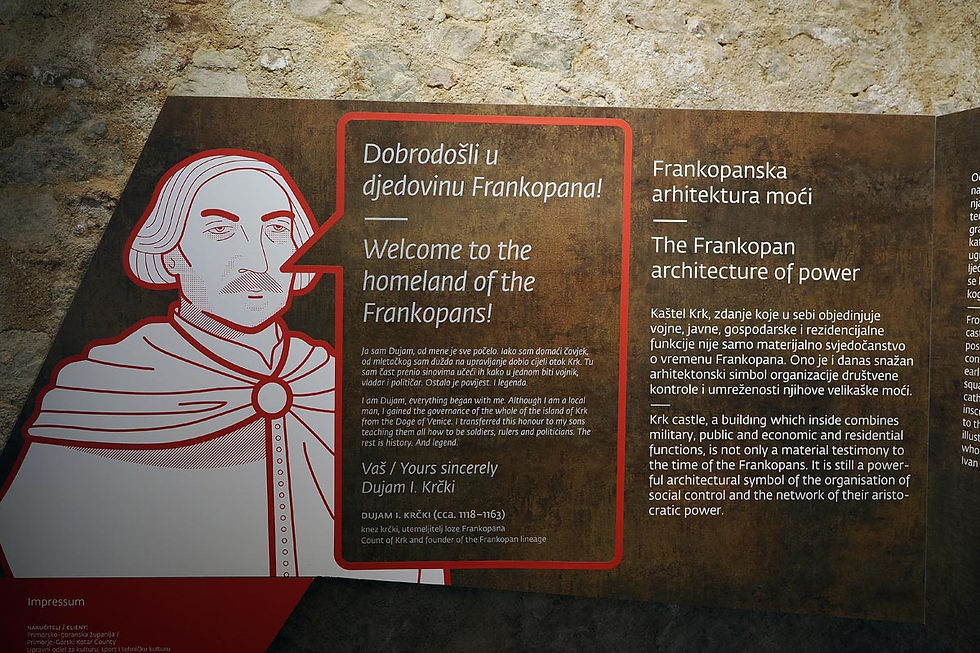
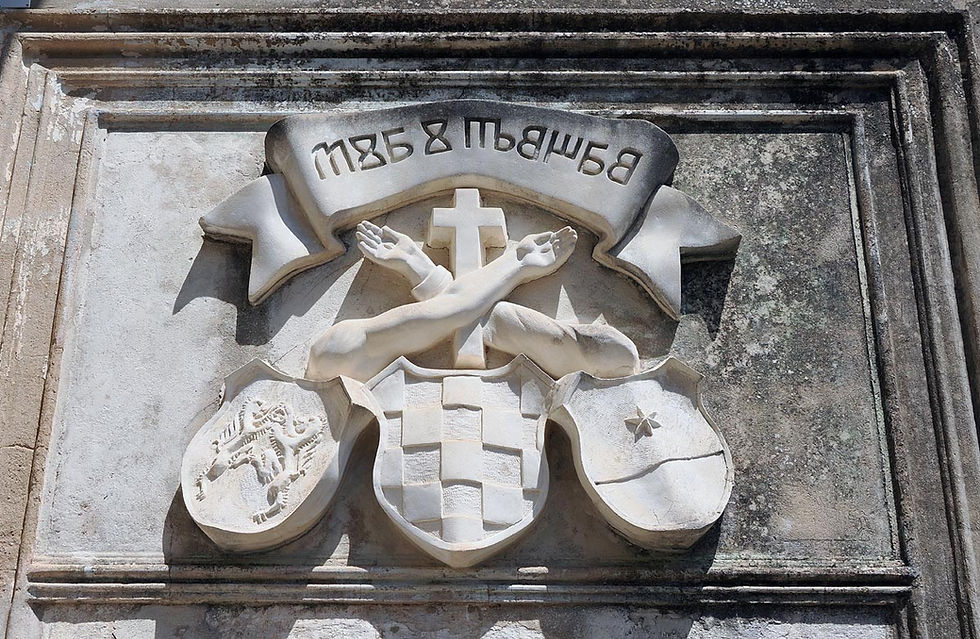
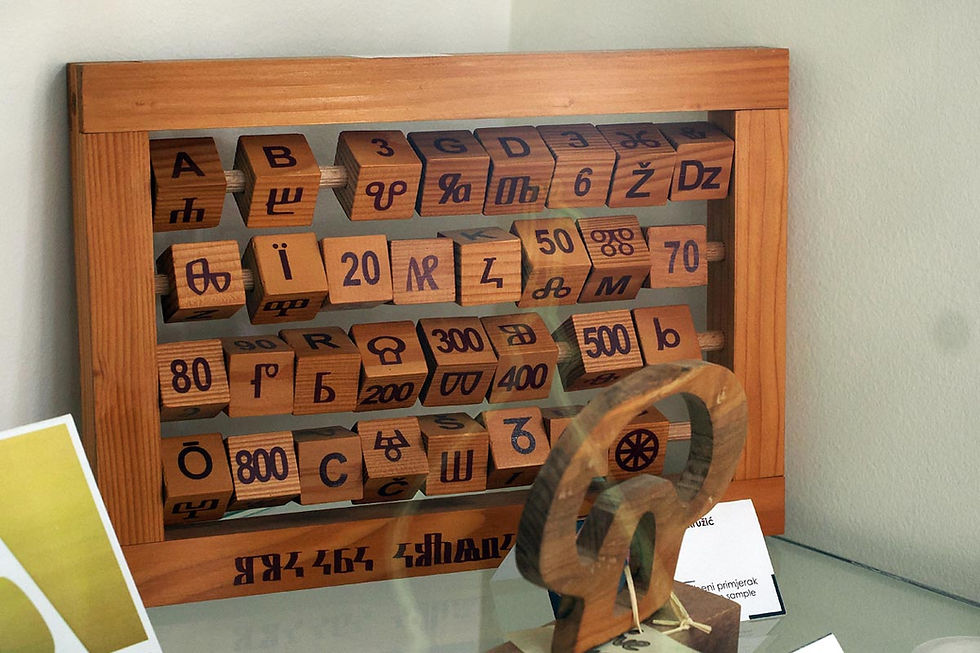
The Frankopans have marked the development of the island for centuries and have been an important patron of the Glagolitic script, the Croatian language and cultural heritage. Their influence has left a strong mark on Krk, which is one of the most important centers of the Croatian Glagolitic script. The Old Slavonic liturgy has been cultivated here for centuries, and the city still proudly preserves the memory of Bishop Antun Mahnić, who made a great contribution to the preservation of the Glagolitic tradition and the founding of the Old Slavonic Academy at the beginning of the 20th century.
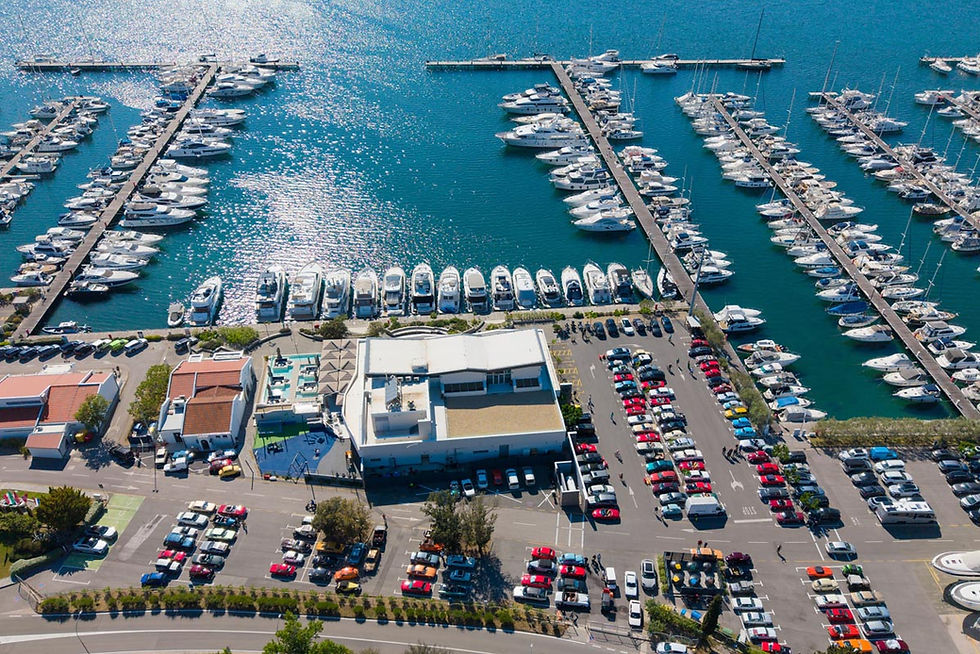
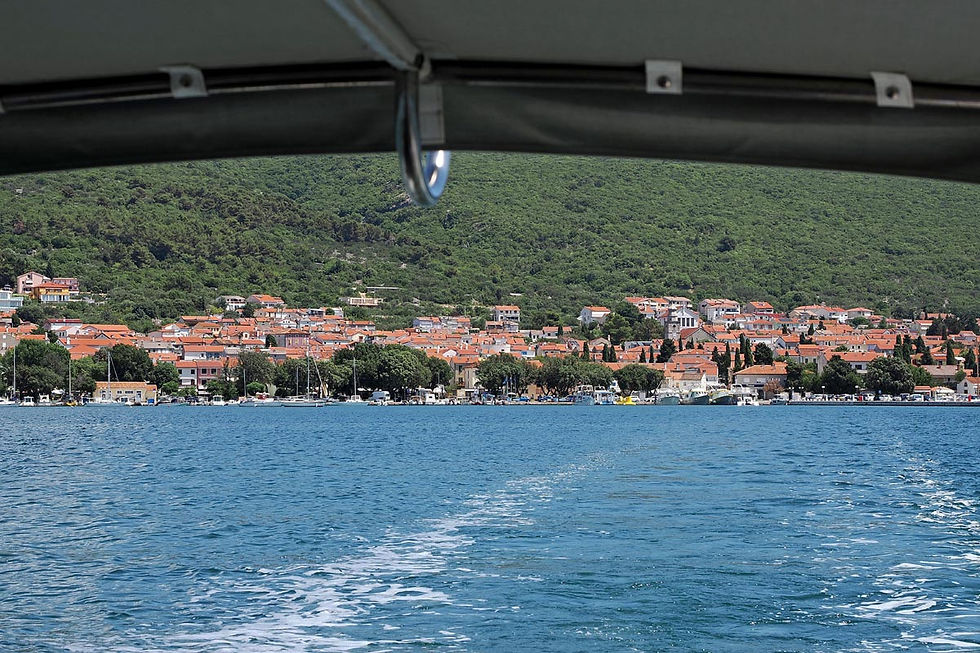
If the city of Krk is best approached by land, arriving by sea in the summer offers a special charm. And few places on the Croatian coast are as connected to the sea as Punat, home to one of the most famous and well-maintained marinas on the Adriatic. Marina Punat has been known for decades as one of the leading Croatian marinas and is the first stop for many sailors when entering Kvarner.
Thanks to its top-notch infrastructure, large number of berths and rich offer of services, it attracts boat owners from numerous European countries throughout the year. But its value is not only in its safe moorings. The marina is also a starting point for discovering a completely different side of the island of Krk. From here you can go on a trip to the Puntarski Draga, fishing trips, swimming in hidden coves and day trips to the nearby Kvarner islands.
In recent years, Marina Punat has increasingly developed sustainable tourism, investing in marine protection, energy efficiency and modern ecological standards. This confirms that top-notch nautical tourism can go hand in hand with environmental care.
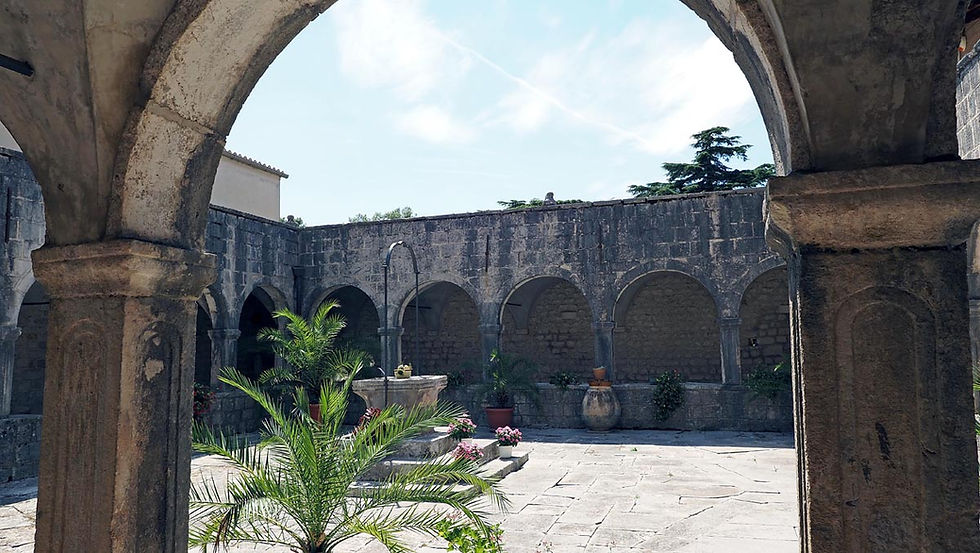
Just a few minutes by boat from Marina Punat is enough to reach one of the most special Croatian islands. Košljun, where the Franciscan monastery of the same name is located, covers just over six hectares, but its history, spirit, and natural beauty far exceed its dimensions.

A dense holm oak forest almost completely hides the Franciscan monastery and the Church of the Annunciation of the Blessed Virgin Mary, creating the impression of entering a completely different world. The silence, disturbed only by the chirping of birds and the sound of the sea, is the reason why many call Košljun an oasis of peace in the middle of Puntarska Draga. But the islet is interesting not only for the monastery that has been guarded by the Franciscans for centuries.
Its story is also intertwined with one of the most famous legends of Krk. According to legend, on the site of today's Puntarska Draga there was once a fertile field belonging to two brothers. One of them was blind, and the other cheated him for years when dividing the harvest. When the injustice became too great, the sky sent a powerful storm that submerged the entire field.
Only a small piece of land remained above the sea surface that belonged to the honest, blind brother. That piece, legend says, became today's Košljun. This unique islet also hides a real cultural treasure. The monastery preserves a valuable ethnographic collection, archaeological finds, old manuscripts, a rich library with thousands of books, and collections that testify to centuries of life on the island of Krk. A special place is occupied by the Glagolitic heritage, for which Krk is widely known. In addition to history, nature is also captivating on the island. Thanks to the mild climate and centuries-old protection by the Franciscans, more than 500 plant species grow on the island, including many Mediterranean and rare species.
A stay on Krk does not end with swimming and sightseeing historical sites. In recent years, the island has increasingly developed facilities that allow guests to get to know its nature, tradition and way of life, and one of such excursions, which you can combine with one of the island's events, is especially interesting for families with children. In the immediate vicinity of Punat is the Olivaro Farm, a place that combines the centuries-old tradition of olive growing with the experience of spending time in nature. The animals will welcome you in the olive groves, and the friendly hosts will take you to feed the animals that live here. Active vacations are also becoming increasingly popular.
Krk has become one of Croatia's leading outdoor destinations in recent years. Numerous cycling and hiking trails lead through vineyards, olive groves, forests and along spectacular viewpoints with views of Cres, Rab, Velebit and the Kvarner archipelago.
A special place among the activities is occupied by the Camino Krk, the official Croatian Camino route that is part of the European network of pilgrimage routes of St. James (Camino de Santiago). The route is about 150 kilometers long and divided into seven stages that allow for a complete experience of the island - its natural, cultural and sacral heritage. It is precisely the diversity of the island, from rocky areas and sea cliffs to green forests in the interior of the island, that pilgrims most often single out as the biggest surprise. Completely different landscapes alternate in a relatively small area, which is why every day of the walk brings a completely new experience. In recent years, the Camino Krk has also attracted an increasing number of guests outside the main tourist season, and what you can experience on this route throughout the year is the uniqueness of this island.
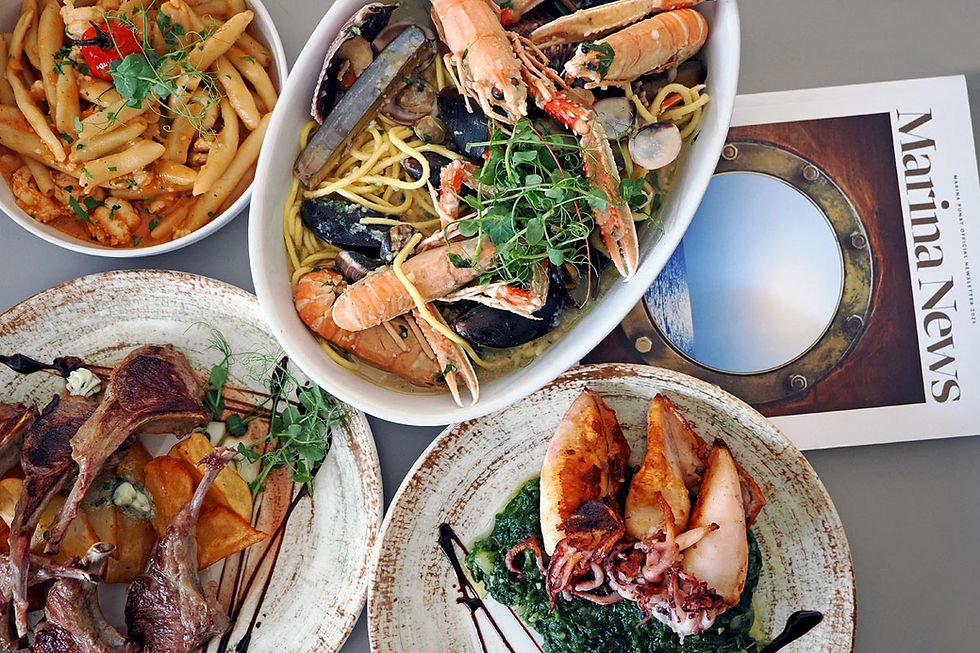
In the end - however you decide to spend your time on Krk - from exploring the medieval heritage, excursions such as those to the islet of Košljun, tasting top-quality olive oils, a glass of wine - especially Žlahtina, tasting lamb and seafood, walking along part of Camino or simply finding your own hidden cove away from the crowds - Krk will provide you with all of this. This is precisely why this island is an ideal place for an active holiday for some, a nautical base for exploring Kvarner for others, a family destination full of activities for others, and for many simply a place where they can relieve stress and relax completely.
foto: NIkola Zoko


Comments