


Lenten dishes in Croatia

Lent in Croatia is a culinary mood. For forty days leading up to Easter, kitchens across the country subtly shift rhythm. The meals become simpler, the flavours more restrained, and yet, paradoxically, more inventive. Historically shaped by Catholic fasting rules, which limited meat and animal fat (especially on Ash Wednesday and Fridays), Croatian Lenten cuisine grew out of necessity, seasonality, and deep respect for religious practice. What emerged over centuries is a repertoire of dishes that are modest yet deeply satisfying—proof that restraint often sparks creativity.

Along the Adriatic coast, especially in cities like Split and Dubrovnik, Lent has always smelled of the sea. Proximity to the Adriatic Sea made fish the natural substitute for meat. Salt cod, locally known as bakalar, became the undisputed king of festive fasting tables. Though not native to Croatian waters, dried cod arrived via Venetian trade routes and quickly became part of Dalmatian culinary identity. Preparing bakalar is almost ritualistic: it must be soaked for days, patiently cooked, and transformed into creamy spreads or hearty stews with potatoes, garlic, and olive oil. What began as preserved “poor man’s fish” evolved into a celebratory centerpiece, especially on Good Friday.

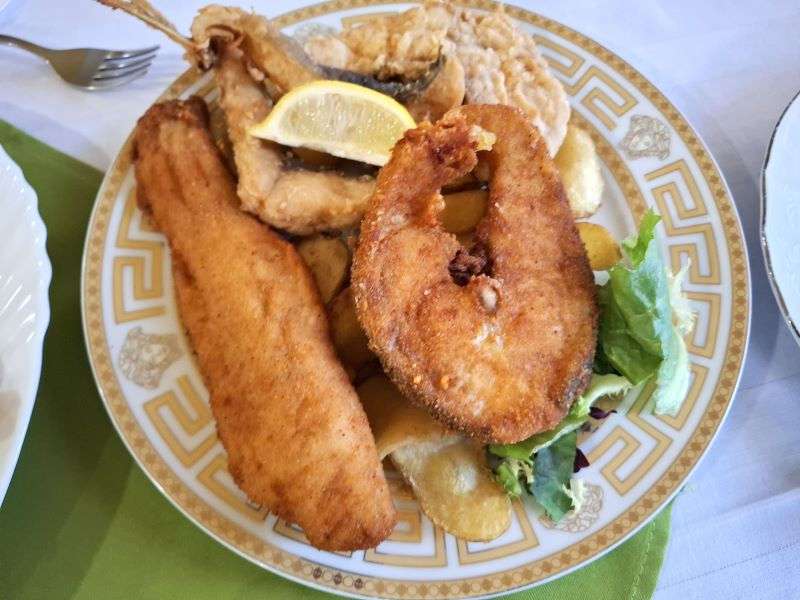
Inland Croatia tells a slightly different story. In and around Zagreb, Lenten cooking relies on river fish such as carp and catfish, as well as legumes, grains, and preserved vegetables. Bean stews without meat, sauerkraut dishes prepared with pumpkin seed oil instead of lard, and simple barley porridges reflect older Central European influences. Friday lunches during Lent still often mean fried or baked freshwater fish, served with potato salad dressed in vinegar and onions. These meals are rarely extravagant, but they are deeply nostalgic, evoking family tables where faith and food quietly intertwine.

Among the five most iconic Lenten foods in Croatia, bakalar undoubtedly takes first place. Close behind is soparnik, a protected cultural treasure from Poljica near Omiš. This thin pie filled with Swiss chard, garlic, and olive oil was once considered a humble fasting dish of rural families. Today, it proudly appears on restaurant menus and at food festivals, celebrated as an example of how peasant ingenuity shaped national gastronomy. Third is simple grilled or baked fish—sea bream, mackerel, or sardines—prepared with little more than olive oil and parsley. Fourth, legume-based stews, especially beans and lentils, remain staples of Lenten Fridays. And fifth, sweet but modest treats like fritters made without rich creams remind us that even during abstinence, a touch of sweetness has its place.

On the islands, such as Hvar, Lent historically meant turning to what the pantry and fields could offer: dried figs, almonds, olives, wild greens, and chickpeas. Olive oil replaces animal fat, herbs stand in for heavy sauces, and the natural flavor of each ingredient becomes central. There is something almost monastic in these island dishes—minimalist, sun-soaked, and honest. In many households, recipes are still passed down orally, especially those tied specifically to Holy Week, when the fasting discipline intensifies and meals become even more restrained.

The historical roots of Croatian Lenten cuisine are inseparable from Catholic practice. Medieval church regulations were once far stricter, prohibiting not only meat but also dairy and eggs on many fasting days. Over time, the rules softened, yet culinary habits remained. Even today, older generations carefully observe meatless Fridays, while younger families reinterpret tradition more flexibly. What is striking is that the cultural memory of fasting has outlived strict obligation. Many people who are not particularly devout still prepare fish on Good Friday or cook bakalar on Christmas Eve and during Lent, maintaining a culinary link to their ancestors.

Contemporary Croatian gastronomy has embraced Lenten heritage with fresh creativity. Chefs reinterpret bakalar as delicate espuma, serve soparnik in fine-dining tasting menus, or elevate humble legumes with modern plating techniques. Restaurants along the coast proudly advertise special Lenten menus, combining tradition with innovation—octopus carpaccio with citrus, barley risotto with Adriatic prawns, or chickpea purée with wild herbs. Yet even in these refined versions, the spirit of Lent remains intact: simplicity, seasonality, and respect for ingredients.

Lenten food traditions in Croatia are less about deprivation and more about recalibration. They invite cooks and diners alike to slow down, to appreciate fish pulled from cold waters, greens harvested from early spring fields, and recipes shaped by centuries of faith. Whether in a stone house on the Dalmatian coast or a city apartment in Zagreb, the Lenten table is a quiet reminder that gastronomy is never only about taste. It is about memory, identity, and the subtle dialogue between the sacred and the everyday.
Photos: Wikipedia Commons and Pixabay


Comments