


Wine Heaven of Slovenian Jerusalem

If you are looking for the perfect weekend getaway that combines top-notch wines, fabulous vineyards, great food, and heritage, then Jerusalem, Slovenia, should be high on your travel list. This picturesque wine-growing region in eastern Slovenia has become increasingly popular among Croatian travelers in recent years, and for a very simple reason – it offers an authentic wine-and-gastronomy experience at affordable prices, without the crowds and tourist hustle and bustle. The region is less than a two-hour drive from Zagreb, and the good news is that you don’t need a vignette to explore the region and enjoy the wine roads.
The first thing that captivates you about the Slovenian Jerusalem is the scenery. Rolling hills covered in vineyards, narrow panoramic roads, and numerous viewpoints create scenes reminiscent of Tuscany, but with a much quieter and more intimate atmosphere. Driving through Jerusalem becomes an experience in itself. At every turn, a new view opens up of endless green slopes, wine roads and small villages that look like they fell out of a postcard. This is precisely why this part of Slovenia has been attracting fans of slow travel and wine tourism in recent years.
One of the must-see stops is Ormož, a small town with a rich history located along the Drava River. Although at first glance it seems calm and unobtrusive, Ormož was an important trade and wine point of Slovenian Styria for centuries. The historical core of the city hides a rich story that goes back to the Middle Ages, and its most famous symbol is Ormoški grad - an impressive castle that dominates the city and bears witness to the turbulent past of this part of Styria. The former noble residence, where Countess Irma Wurmbrand-Georgievits lived until 1945, today represents an important part of Ormož's cultural heritage. She is remembered as an elegant and influential noblewoman who marked the last aristocratic period of the city.
Local stories often mention her refined lifestyle, luxurious castle, and connection to the region's wine tradition. Interestingly, Ormož still pays tribute to her today through cultural events and evenings dedicated to her life and legacy. But Ormož is not just a town of history. Today, it is also known as one of the centers of Slovenian winemaking, surrounded by vast vineyards that produce some of the region's most prized white wines.
One of the most impressive experiences in the region is certainly a tour of the Puklavec Family Wines cellar, one of the largest and most technologically advanced wine systems in Slovenia. The cellar has as many as 4.7 million liters of wine and is particularly fascinating for its combination of modern technology and rich wine tradition. Visitors have the opportunity to see stainless steel facilities, a gravity cellar, and a wine archive that hides a real wine treasure. The archive cellar stores as many as 250,000 bottles of wine, some of which are decades old. The oldest official vintages date back to 1959, and one of the best vintages is the legendary Šipon from 1971. This is where wines are created that win prestigious international awards such as Decanter, where some archive vintages have won gold medals.
It is particularly interesting that Slovenians are increasingly adapting their production to modern trends and climate change. The focus today is on fresh white wines such as Sauvignon, Šipon and Muscat, while experimenting with organic farming and reduced use of sulfur. Although the region produces numerous varieties, special attention is paid to the Šipon variety, which has become a kind of trademark of this part of Slovenia. This wine has experienced a major comeback among wine lovers in recent years thanks to its freshness, minerality and elegant aromas. It is the wines from Jerusalem that are becoming increasingly popular among Croatian guests, and Croatia is today the largest foreign market for Puklavec wines.
Among the green hills of Slovenian Jeruzalem and the Ormož area is the Jeruzalem SAT oil mill with tradition - one of the most famous oil mills in this part of Slovenia and an unmissable stop for all lovers of authentic local products. This is where traditional Styrian pumpkin oil is produced, a product that has become a regional symbol and an important part of local gastronomy. A visit to the oil mill reveals how demanding the process of producing quality pumpkin oil actually is. During a tour of the oil mill, you will learn that just one liter of oil requires 33 pumpkins, or almost three kilograms of dry seeds of a special variety of Styrian oil pumpkin. After drying and grinding, the seeds are mixed with hot water and lightly fried to develop the distinctive nutty aroma for which this oil is known. The specialty of this oil mill lies in its traditional production method passed down through generations. After pressing, the oil naturally settles and purifies without additives or chemical processes, and is filled exclusively in glass bottles to preserve its quality and rich taste. Locals often call pumpkin seed oil "Prleška Viagra" due to its high zinc content and positive health effects.
Nestled among the rolling hills and vineyards of the Slovenian Jeruzalem, Taverna Inn is one of those places where gastronomy, wine, and nature come together in a complete experience. A large terrace surrounded by green vineyards offers a view of a part of the region that has a cinematic atmosphere. The owner of this inn (with ten rooms for a pleasant stay in the vineyards) is Dino Kruhoberec, who has worked hard to ensure that Taverna combines local ingredients, traditional recipes and top-quality wines from the surrounding cellars.
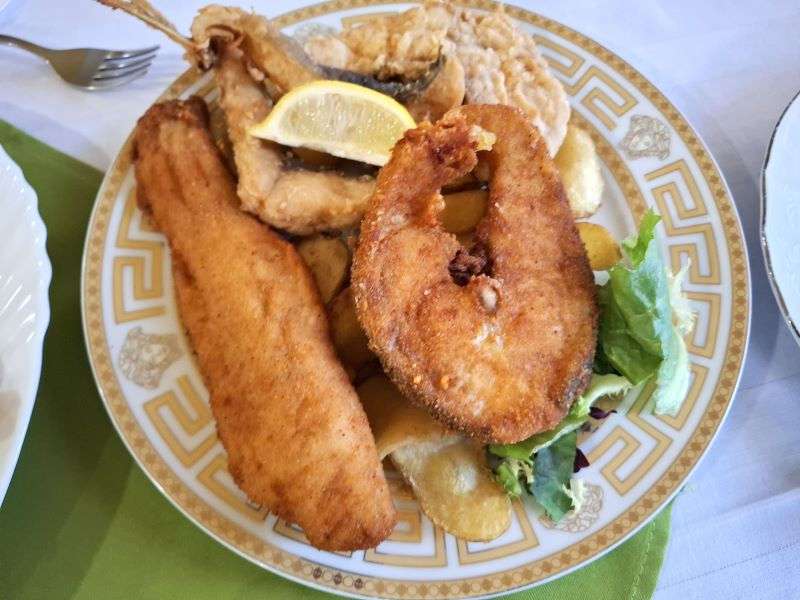
The menu is dominated by specialties from Slovenian Styria - typical Prleška dishes that best represent the local cuisine. One of the specialties that you should definitely try is “meso iz tünke” - traditional pork meat preserved in fat, once an indispensable winter food for Slovenian households. Especially popular are Prleška steak with buckwheat žganci, baked potatoes “Taverna”, homemade soups made from fresh mushrooms, with buckwheat dumplings. For those who want something delicious and sweet, Prleška gibanica and postržjač, an old-fashioned cake characteristic of this region, are most often ordered here. A glass of local wine is recommended with almost every dish.
Not far from the Taverna restaurant is a typical Prlek “zidanica” – a traditional wine house that once served winegrowers as a shelter, wine storage and a place to rest while working in the vineyard. Today, it is owned by Puklavec Families and Wines, and has been transformed into one of the most charming wine tourism spots in the region, offering visitors an authentic experience of staying among the vineyards. What makes Zidanica Malek special is the feeling of complete isolation and peace – the interior of the zidanica exudes rustic charm, with wooden details and a simple, warm ambience that emphasizes the tradition of this region, while the exterior invites you to slowly immerse yourself in the beauty of the vineyard with a glass of Šipon or Sauvignon with which, at sunset, you will see off a wonderful day spent in the wine region of Slovenia.
Photo: Nikola Zoko


Comments